

Marine Life Matters: How Every Product Helps Conserve Our Oceans
The ocean is the lifeblood of our planet, covering over 70% of the Earth’s surface and providing essential resources for millions of species, including humans. However, pollution, overfishing, and climate change threaten marine ecosystems daily. The good news? Every product we choose has the potential to make a difference in conserving our oceans.
Understanding the Impact of Consumer Products on Marine Life

Many everyday products contribute to ocean pollution, from single-use plastics to toxic chemicals found in household cleaners. Microplastics, which originate from synthetic clothing, personal care items, and plastic packaging, enter the water supply and accumulate in marine organisms, disrupting ecosystems and food chains. By becoming more mindful of the products we use, we can help reduce the harm to our oceans.
How Eco-Friendly Products Support Ocean Conservation
Switching to sustainable and eco-conscious products is a simple yet effective way to protect marine life. Here are a few impactful changes:
1. Biodegradable and Reusable Alternatives

- Swap single-use plastics for reusable items such as metal straws, bamboo utensils, and cloth shopping bags.
- Choose biodegradable packaging made from natural materials like cornstarch or recycled paper.
2. Sustainable Seafood Choices

- Support brands that engage in sustainable fishing practices, ensuring marine populations remain balanced.
- Look for certifications like the Marine Stewardship Council (MSC) label when purchasing seafood.
3. Eco-Friendly Personal Care and Cleaning Products

- Use reef-safe sunscreens that do not contain oxybenzone and octinoxate, which harm coral reefs.
- Choose plant-based, non-toxic detergents and cleaners that won’t contaminate water sources.
4. Ethical Fashion and Sustainable Textiles
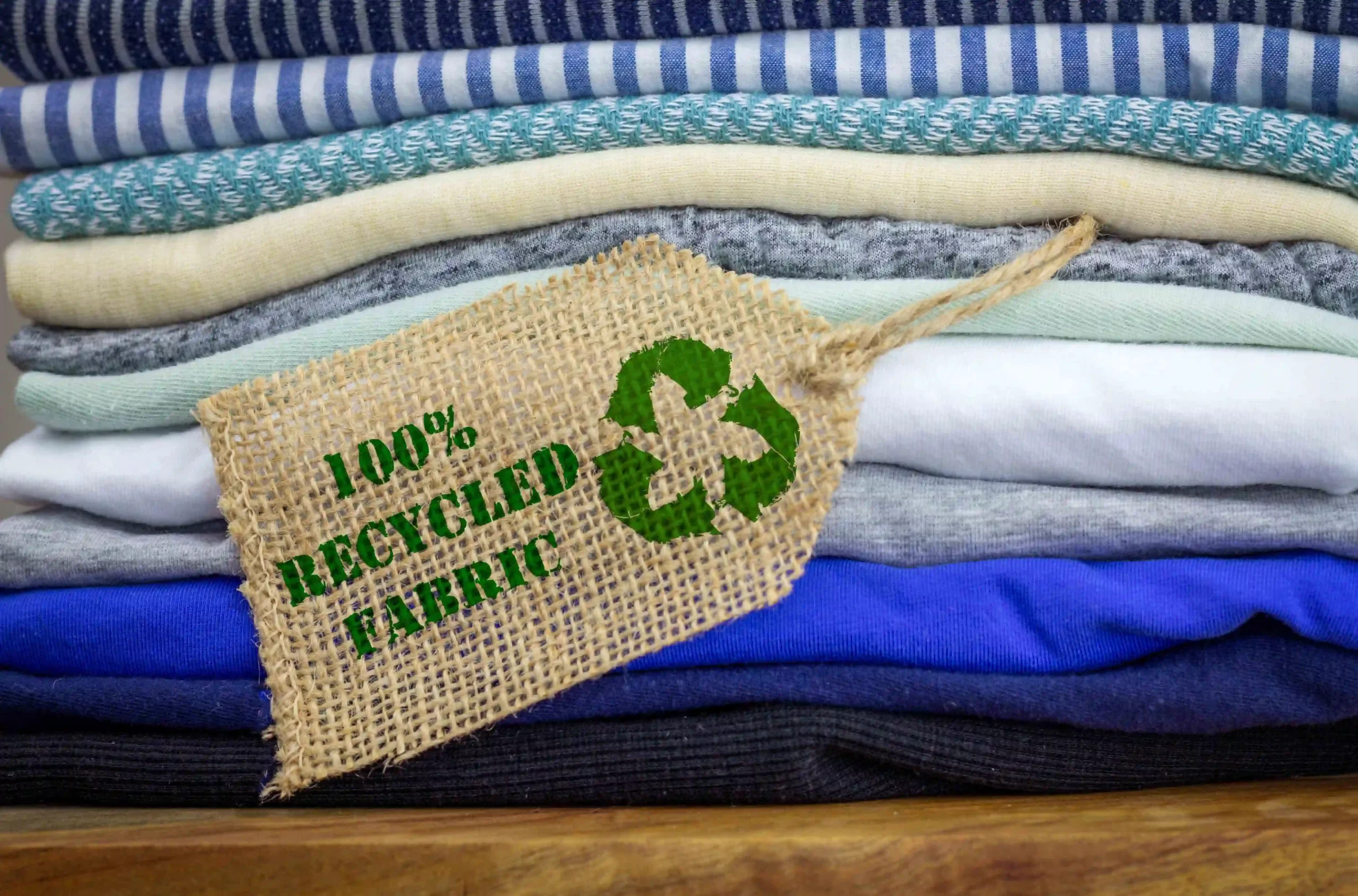
- Opt for clothing made from organic cotton, hemp, or recycled fabrics to minimize microfiber pollution.
- Support brands that prioritize ethical production and eco-friendly dyeing processes.
Supporting Ocean Conservation Beyond Products

Beyond making sustainable shopping choices, individuals can take additional steps to protect marine life:
- Reduce Waste: Practice recycling and composting to minimize land-based pollution that can end up in waterways.
- Participate in Beach Cleanups: Join local efforts to remove trash from coastlines and prevent it from reaching the ocean.
- Educate and Advocate: Spread awareness about ocean conservation and support policies that protect marine ecosystems.
Final Thoughts
Every small change matters when it comes to conserving our oceans. By making informed choices about the products we use, we can collectively reduce pollution, support sustainable industries, and protect marine life for future generations. The next time you shop, remember that your decisions have a ripple effect—choose wisely and make a positive impact on our planet’s most precious resource.