

How Small Batches of Ocean Information Are Making a Global Impact
The ocean covers more than 70% of our planet, playing a crucial role in regulating climate, supporting biodiversity, and sustaining economies. Despite its importance, much of the ocean remains unexplored and under-monitored. However, small batches of ocean data, collected through innovative technology and citizen science, are now making a global impact by improving conservation efforts, climate predictions, and marine resource management.
The Power of Small-Scale Data Collection
Traditionally, ocean research has relied on large-scale, expensive expeditions conducted by government agencies and institutions. While these missions provide valuable insights, they are costly and limited in scope. Recent advancements in technology have enabled researchers, environmental organizations, and even individuals to collect small but meaningful datasets that contribute to a larger understanding of ocean health.
1. Autonomous Ocean Monitoring Devices
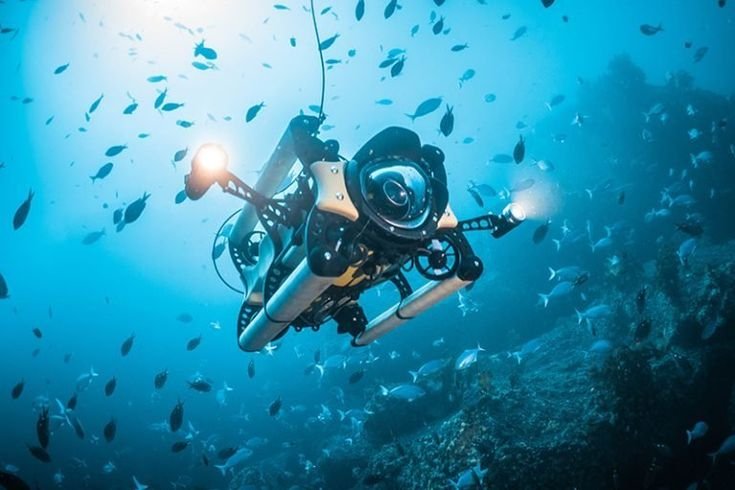
Devices such as Argo floats, underwater drones, and satellite-tracked buoys collect real-time ocean data on temperature, salinity, and currents. These small, autonomous sensors continuously transmit data, filling the gaps left by traditional ship-based research. This decentralized approach allows scientists to monitor remote and previously inaccessible parts of the ocean, leading to better climate models and more accurate weather forecasts.
2. Citizen Science Initiatives
Citizen science programs empower individuals to contribute to ocean research. Organizations like eOceans and Reef Check engage divers, fishermen, and coastal communities in data collection efforts. These volunteers log observations on marine species, water quality, and pollution, providing researchers with localized insights that would otherwise be impossible to gather at scale.
For example, surfers and beachgoers using smartphone apps like Surfrider’s Blue Water Task Force report water pollution levels, helping authorities identify and mitigate contamination sources. Similarly, programs like the Great British Beach Clean compile beach litter data to inform policy changes and plastic waste reduction initiatives.
Addressing Climate Change with Small-Scale Ocean Data
Climate change poses a significant threat to ocean ecosystems, and small data contributions are playing a crucial role in understanding and mitigating its effects.
1. Coral Reef Monitoring
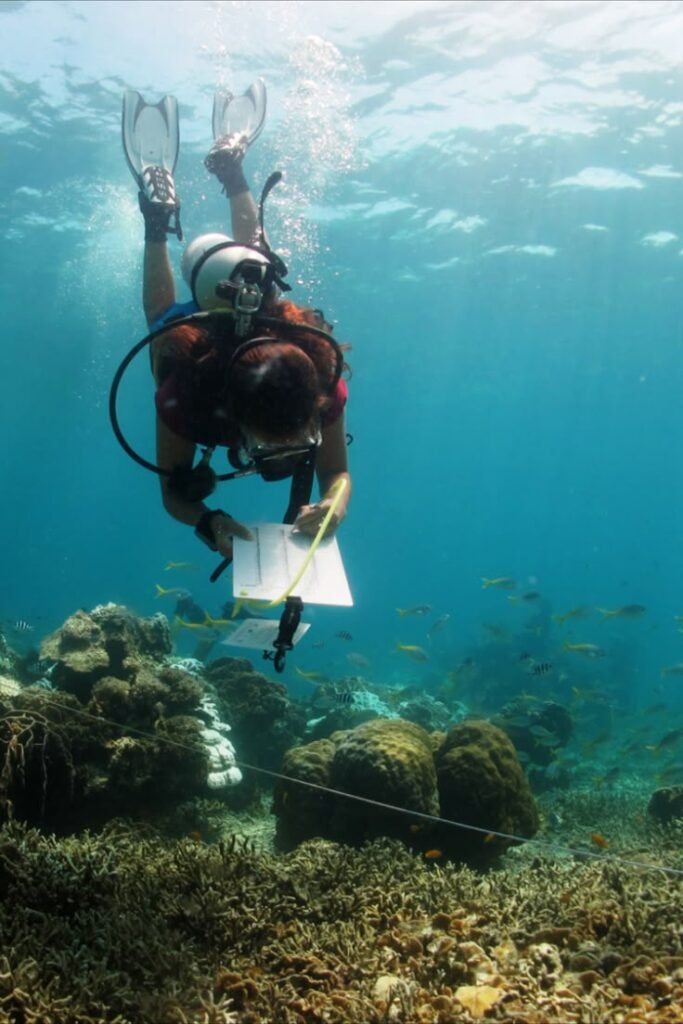
Coral reefs, which support 25% of marine life, are under threat due to rising sea temperatures and ocean acidification. Community-driven monitoring projects use simple tools like temperature loggers and underwater cameras to track coral bleaching events. By analyzing these small data sets, scientists can develop strategies to protect vulnerable reefs and establish marine protected areas (MPAs).
2. Ocean Acidification Tracking
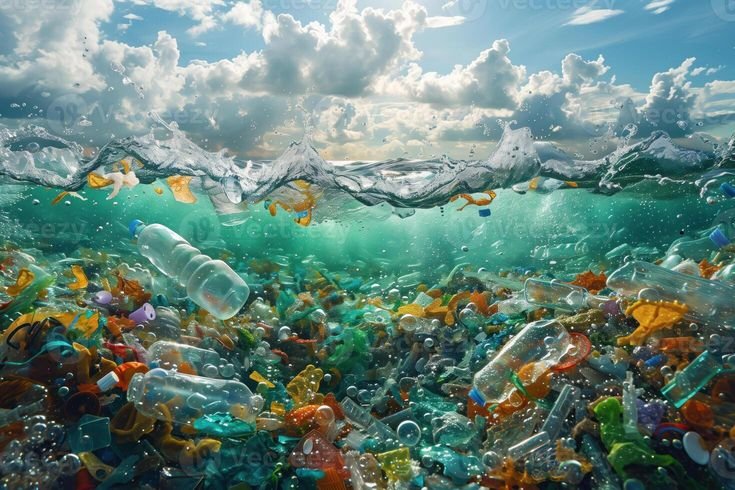
Small-scale ocean data has helped researchers identify trends in ocean acidification, a process caused by increased carbon dioxide absorption. Localized monitoring projects, such as those by the Ocean Acidification Alliance, use pH sensors to measure changes in water chemistry. These efforts enable governments to implement targeted actions to reduce carbon emissions and protect marine life.
Improving Fisheries Management
Overfishing is a major challenge that threatens global food security and marine biodiversity. Small data sets collected from artisanal fishermen, local fishing communities, and automated tracking devices are reshaping fisheries management.
1. Sustainable Fishing Practices
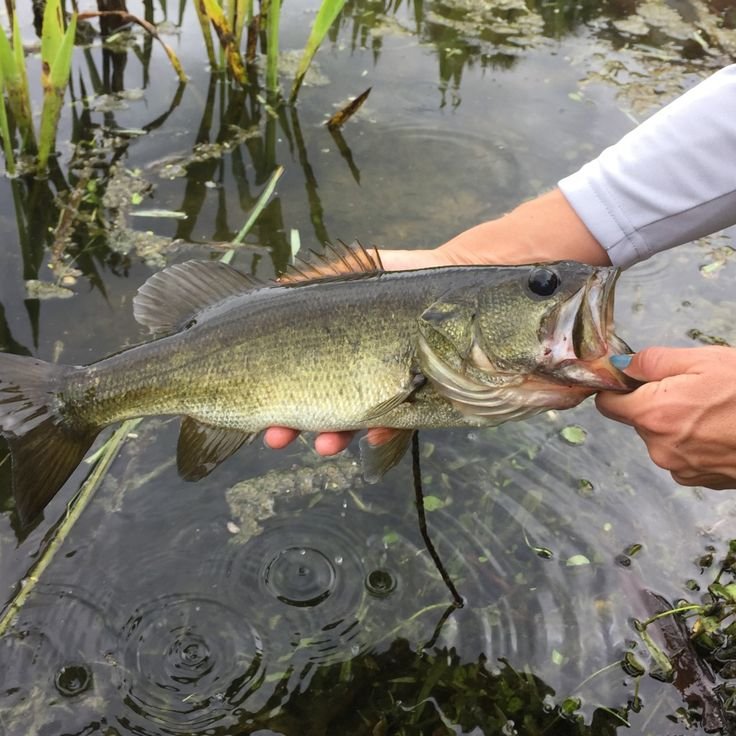
By analyzing catch data submitted by small-scale fishers, conservationists can assess fish population health and recommend sustainable harvesting limits. Apps like Abalobi, used in South Africa, allow fishers to log their catches digitally, helping authorities ensure sustainable practices while providing transparency in seafood sourcing.
2. Illegal Fishing Detection
Satellite tracking and automated identification systems (AIS) help detect illegal, unreported, and unregulated (IUU) fishing activities. These data sets, often collected by small non-profits and independent researchers, provide authorities with actionable intelligence to combat illegal fishing, protecting marine ecosystems and the livelihoods of legal fishers.
Conclusion
While ocean research has traditionally depended on large-scale projects, the power of small batches of ocean information is proving to be just as impactful. Whether collected by autonomous devices, citizen scientists, or local communities, these data points are revolutionizing marine conservation, climate change mitigation, and sustainable fisheries management. As technology advances and more people participate in ocean monitoring, the collective impact of small-scale data will continue to drive global change, ensuring the health and sustainability of our planet’s most vital resource.