

The Ripple Effect: How Small Actions Contribute to Saving Our Oceans
Our oceans cover more than 70% of the Earth’s surface and are home to a vast array of marine life. They regulate our climate, produce oxygen, and provide food for billions of people. However, human activities have caused significant damage to marine ecosystems, threatening biodiversity and the overall health of our planet. While large-scale efforts are necessary to address these problems, small, everyday actions can also create a ripple effect, leading to substantial positive change. Here’s how small individual actions can help save our oceans.
1. Reducing Plastic Waste
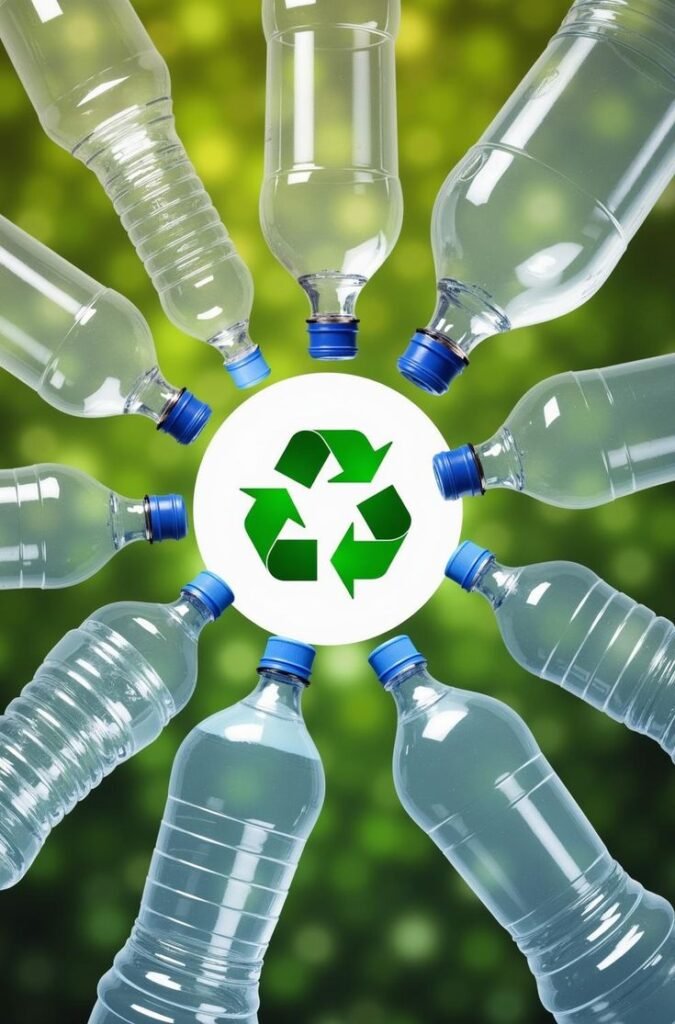
Plastic pollution is one of the biggest threats to our oceans. Every year, millions of tons of plastic end up in the sea, harming marine animals and polluting ecosystems. Simple changes in daily habits can reduce this impact:
- Use reusable shopping bags, bottles, and containers instead of single-use plastic.
- Avoid products with excessive plastic packaging.
- Participate in or organize local beach cleanups.
- Properly dispose of plastic waste to prevent it from reaching waterways.
Each of these small actions helps decrease the demand for plastic and reduces the amount of waste that ends up in the ocean.
2. Choosing Sustainable Seafood
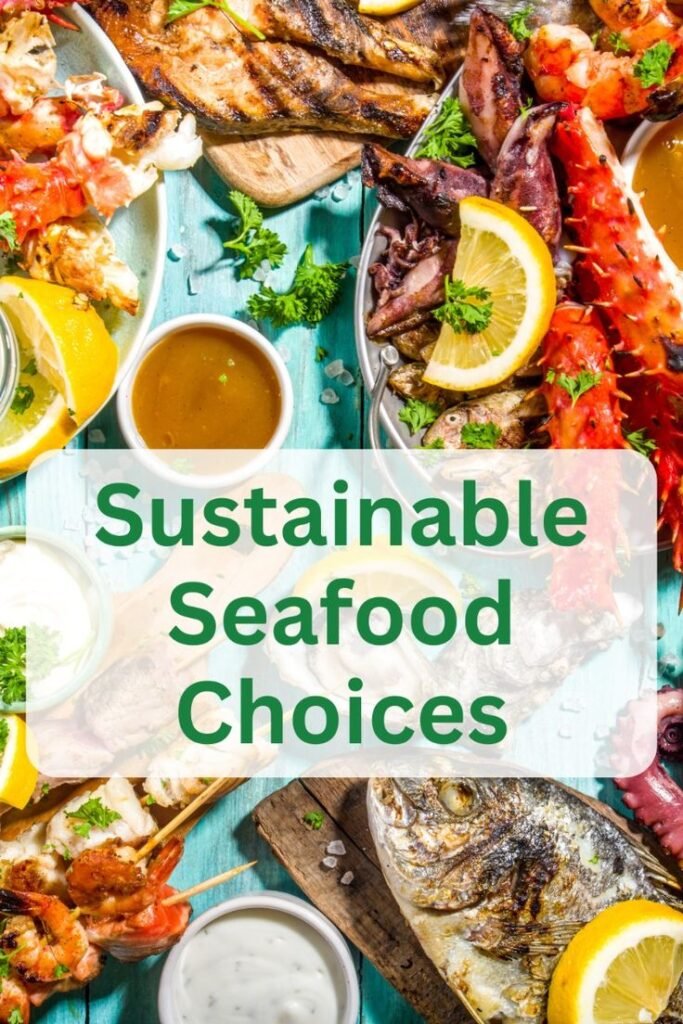
Overfishing and destructive fishing practices deplete fish populations and damage marine habitats. Making sustainable seafood choices can help maintain balance in marine ecosystems:
- Check for eco-certifications like the Marine Stewardship Council (MSC) label.
- Opt for locally sourced seafood to support sustainable fishing practices.
- Avoid endangered species by consulting sustainable seafood guides.
By being mindful of where our seafood comes from, we contribute to the health of fish populations and ocean ecosystems.
3. Conserving Water
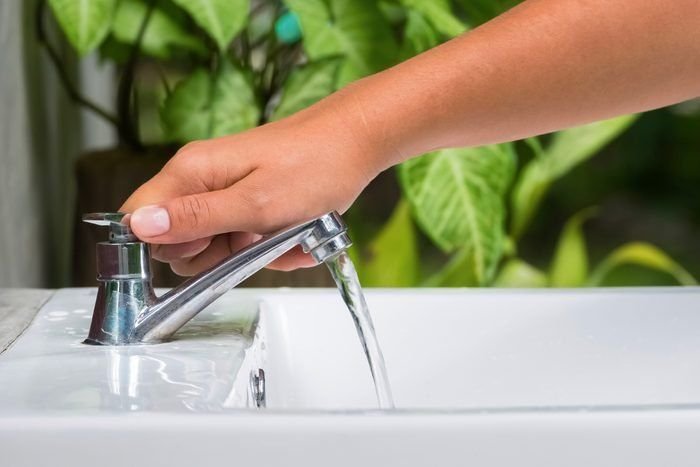
Water conservation helps reduce the strain on our freshwater sources and decreases pollution runoff into the oceans. Simple ways to save water include:
- Turning off the tap while brushing your teeth.
- Fixing leaks and using water-efficient appliances.
- Reducing unnecessary water use, such as watering lawns less frequently.
By using water responsibly, we limit the chemicals and pollutants that reach the ocean through drainage systems.
4. Reducing Carbon Footprint
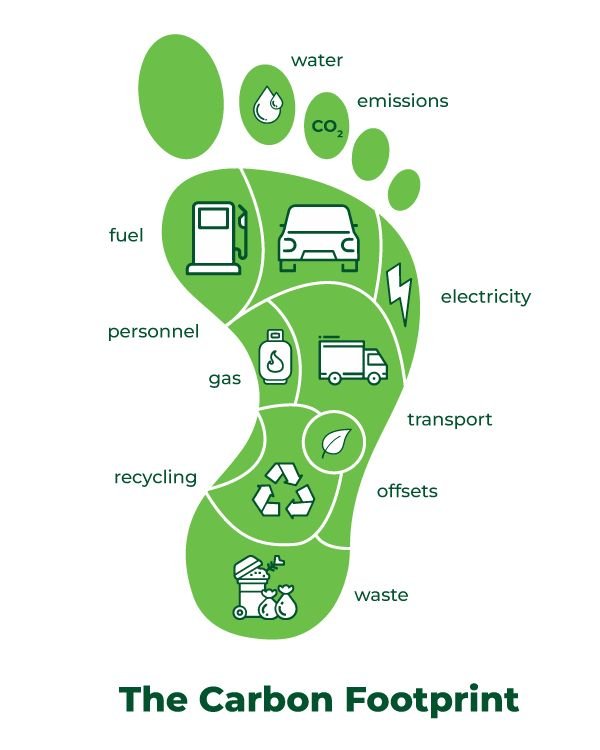
Climate change is causing ocean acidification, coral bleaching, and rising sea levels. Reducing your carbon footprint can help slow down these changes:
- Use public transport, carpool, bike, or walk whenever possible.
- Reduce energy consumption by turning off lights and using energy-efficient appliances.
- Support renewable energy sources like solar and wind power.
Lowering carbon emissions can slow the warming of our oceans and protect marine life.
5. Supporting Ocean Conservation Organizations
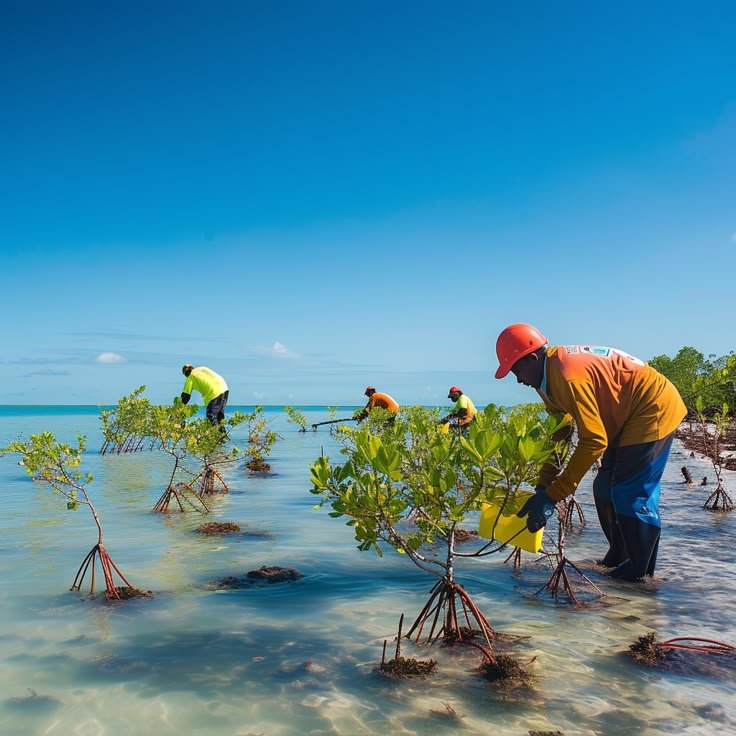
There are many organizations dedicated to ocean conservation. Even small contributions can make a difference:
- Donate to or volunteer with marine conservation groups.
- Sign petitions that advocate for ocean protection policies.
- Spread awareness by sharing information about ocean conservation on social media.
Supporting these organizations amplifies efforts to protect marine ecosystems on a larger scale.
6. Being a Responsible Tourist
Tourism, especially in coastal areas, can negatively impact marine environments. Responsible travel habits help preserve these fragile ecosystems:
- Avoid touching or stepping on coral reefs when snorkeling or diving.
- Do not buy souvenirs made from marine life, such as shells or coral.
- Choose eco-friendly accommodations and tour operators that follow sustainable practices.
By making mindful choices when traveling, we can enjoy marine environments without harming them.
The Power of Collective Action

While each of these actions may seem small, they add up when practiced by millions of people worldwide. Just like a single drop creates ripples across the water, small individual efforts can collectively lead to major changes for our oceans. By making conscious choices every day, we contribute to a healthier planet and ensure that future generations can enjoy the beauty and benefits of our marine world.
The time to act is now—every small step counts in saving our oceans. Let’s create ripples that turn into waves of positive change!