

Exploring Marine Life: How Our Products Educate and Inspire Change
The ocean, covering over 70% of Earth’s surface, is a vast and mysterious world, teeming with life in every nook and cranny. However, this dynamic ecosystem is increasingly threatened by human activity. From pollution to overfishing, the delicate balance of marine life is under constant stress. In recent years, the push for ocean conservation has gained significant momentum, with a focus on raising awareness and inspiring change. Companies and organizations have a unique role in this effort, especially those that offer products or experiences designed to educate the public about marine life and its protection.
Our products, whether they are educational tools, eco-friendly items, or immersive experiences, can play a transformative role in fostering a deeper understanding of marine ecosystems. The goal is not just to educate but to inspire action—empowering individuals to make informed choices that will positively impact the oceans and marine life for generations to come.
The Power of Education in Marine Conservation

Education is one of the most effective tools in conservation efforts. The more people understand about the intricate connections within marine ecosystems, the more likely they are to take steps to protect them. Our products are designed to bring marine life to life, whether through interactive experiences, informational resources, or sustainable products that directly contribute to conservation efforts.
For instance, educational kits aimed at children allow young minds to explore the wonders of the ocean in an engaging and fun way. These kits often include marine life models, books, games, and activities that teach about different species, ocean habitats, and environmental issues. By immersing children in the subject, these products help them form a strong connection with the marine world and inspire lifelong interest in its preservation.
Supporting Sustainable Products

One of the biggest challenges facing the oceans today is pollution, especially plastic waste. It is estimated that by 2050, there could be more plastic in the ocean than fish by weight. Many businesses have responded to this crisis by creating sustainable, marine-friendly products. By using recycled materials, reducing plastic packaging, and opting for biodegradable or eco-conscious alternatives, these products aim to lessen the environmental impact on marine ecosystems.
For example, companies that produce sustainable clothing lines made from ocean-recycled plastics help reduce the amount of waste that enters the ocean. These products often tell the story behind their creation—how the plastic was collected from the ocean and transformed into high-quality fabrics. This storytelling element not only educates consumers but also motivates them to make more sustainable choices in their own lives, creating a ripple effect in the effort to reduce ocean pollution.
Virtual and Immersive Marine Experiences
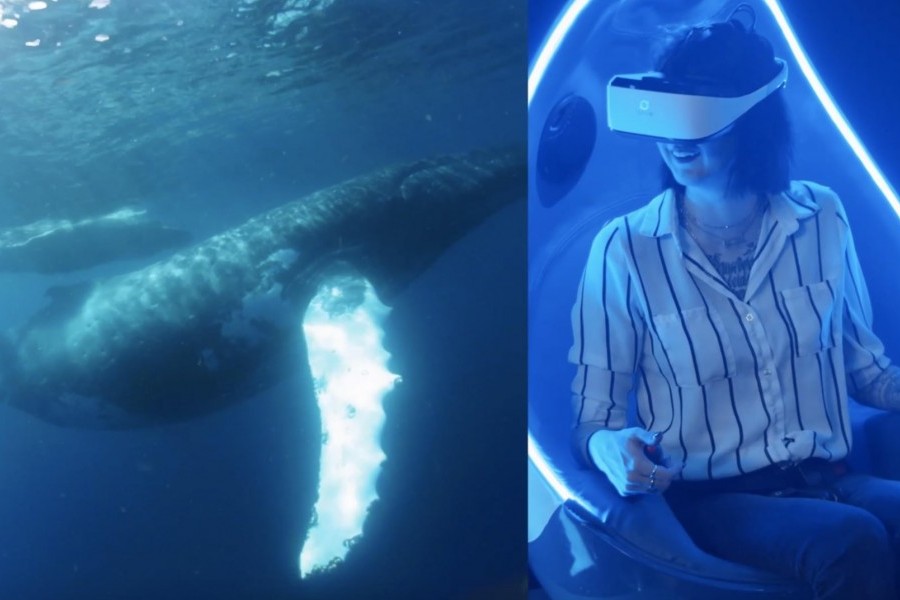
One of the most powerful ways to connect people with marine life is by offering immersive experiences that transport them to the heart of the ocean. Virtual reality (VR) and augmented reality (AR) technologies have revolutionized how we can experience the natural world. By offering VR or AR experiences focused on marine environments, companies can allow users to virtually dive into the ocean, explore coral reefs, and encounter underwater creatures from the comfort of their homes.
These technologies can also be used in educational settings, such as museums or aquariums, where visitors can explore ecosystems they may never get the chance to see firsthand. By offering these types of experiences, businesses not only educate but also evoke emotions that can drive individuals to take action to protect marine life. The awe and wonder experienced during these virtual dives can inspire a deep sense of responsibility and connection with the ocean.
The Role of Citizen Science

Many products also provide opportunities for consumers to actively participate in conservation efforts. Citizen science initiatives, where people of all ages can contribute to real-world scientific research, are becoming more common. Products like marine-themed apps that track local wildlife sightings or monitor water quality empower users to engage in the scientific process. By contributing to the collection of data, individuals become part of a global network of people working together to understand and protect marine environments.
These products often feature educational resources to help users identify species, understand local ecosystems, and learn how their actions can have a direct impact. This sense of involvement can be incredibly motivating, turning passive consumers into active stewards of the environment.
Inspiring Change Through Awareness

At the core of many marine-related products is the aim to inspire change. Whether through an eco-friendly product line, a marine-focused educational campaign, or a partnership with a marine conservation nonprofit, the ultimate goal is to raise awareness and promote action. When people understand the challenges facing marine life, they are more likely to adopt sustainable practices, support marine conservation efforts, and reduce their impact on the environment.
Integrating marine life and conservation into products helps spread the message that protecting the oceans is everyone’s responsibility. It encourages consumers to think about how their choices impact marine ecosystems, from the products they buy to the waste they generate.
Conclusion: A Collective Effort for Marine Conservation
In exploring marine life through education, sustainable products, and immersive experiences, we can ignite a powerful movement toward ocean conservation. By making marine life more accessible and inspiring people to take action, we can build a global community dedicated to protecting the oceans. The products that educate, inform, and inspire play a crucial role in this effort, ensuring that future generations can continue to enjoy the beauty and richness of the marine world.
Through the collective effort of businesses, consumers, and conservation organizations, we can foster a deep connection with the ocean, inspiring lasting change for the preservation of marine ecosystems. The products we create today can lay the foundation for a brighter, more sustainable future for both the oceans and the life they support.