

“Saving Oceans, One Product at a Time: How We Contribute to Marine Conservation”
The world’s oceans, covering more than 70% of the Earth’s surface, are home to millions of species, many of which remain undiscovered. The health of our oceans is vital, not just for marine life but for human life as well, as oceans regulate our climate, produce oxygen, and provide food and resources. Yet the oceans are in crisis. Pollution, overfishing, habitat destruction, and climate change have placed immense pressure on these vast ecosystems. As awareness grows about the importance of ocean conservation, more businesses are stepping up to help protect the oceans, one product at a time.
At the core of this movement is the idea that small, deliberate actions can lead to a collective change, one that creates a lasting impact. Through the products we create and offer to consumers, we can not only reduce harm to marine environments but also promote sustainable practices that contribute directly to marine conservation. Let’s take a closer look at how various industries and companies are contributing to the preservation of the oceans, focusing on products that help reduce pollution, conserve marine resources, and inspire a culture of sustainability.
Reducing Ocean Pollution with Eco-Friendly Products
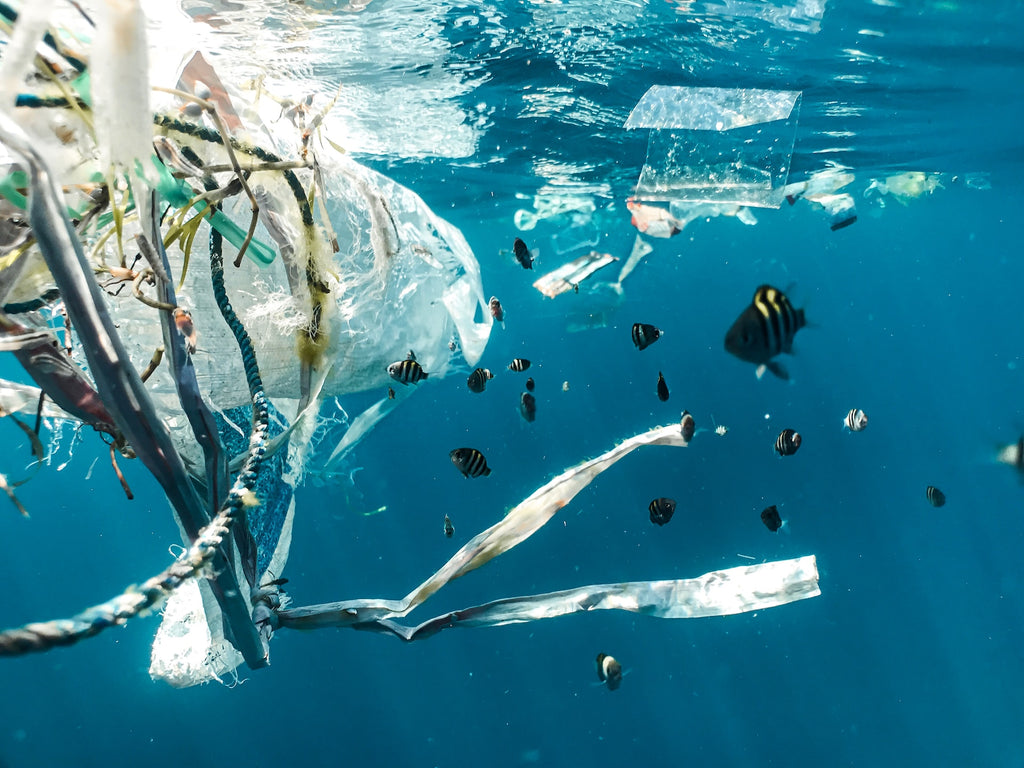
One of the most pressing issues facing the oceans is pollution, particularly plastic waste. It is estimated that approximately 8 million metric tons of plastic enter the ocean every year, a staggering amount that threatens marine life and ecosystems. Plastic debris can entangle marine animals, be ingested by species large and small, and break down into microplastics, which enter the food chain and ultimately affect humans as well.
Many companies are addressing this challenge by developing products that help reduce plastic waste. These eco-friendly products, made from biodegradable, recycled, or renewable materials, are designed to replace traditional plastic products that would otherwise end up in the ocean. For instance, businesses that offer reusable bags, bottles, and straws provide alternatives to single-use plastic items that are commonly found in the marine environment.
Some companies go a step further by using recycled ocean plastic to create new products. By retrieving plastic from the ocean, cleaning it, and repurposing it into high-quality items, such as clothing, accessories, and even furniture, businesses are not only reducing the amount of plastic in the ocean but also contributing to the circular economy. This creates a powerful message that reusing and recycling can be part of the solution to ocean pollution.
Sustainable Fishing Practices and Products

Overfishing is another critical threat to marine biodiversity. The World Wildlife Fund (WWF) estimates that 90% of the world’s fish stocks are fully exploited or overfished. This disrupts ecosystems, threatens species with extinction, and jeopardizes the livelihoods of communities that depend on fishing.
In response, companies in the food industry, particularly those in the seafood sector, are adopting sustainable fishing practices. These businesses are committed to sourcing their products from fisheries that follow responsible and sustainable methods. By supporting businesses that use certification programs like the Marine Stewardship Council (MSC), consumers can help ensure that the fish they consume comes from fisheries that practice eco-friendly methods and protect marine habitats.
Additionally, plant-based seafood alternatives are gaining popularity. These products, which mimic the taste and texture of traditional seafood, are made from sustainable, plant-derived ingredients. By providing consumers with environmentally friendly alternatives to conventional seafood, businesses help reduce the demand for overfished species, providing a win-win for both marine conservation and biodiversity.
Marine Conservation through Support for NGOs and Initiatives
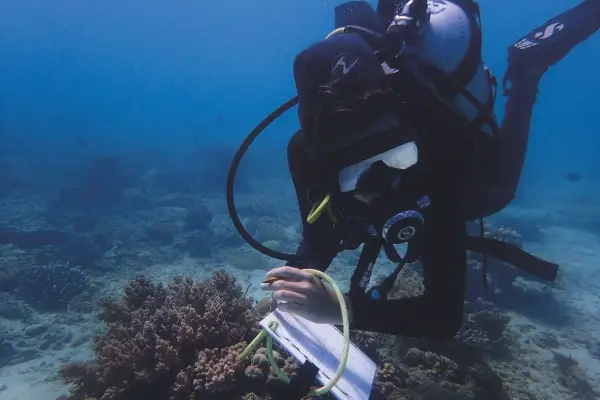
Many companies are not only selling products but also supporting marine conservation efforts through charitable donations, partnerships, and funding for scientific research. Several brands donate a portion of their profits to marine conservation organizations, such as Oceana, the Ocean Conservancy, and the Marine Conservation Society. These nonprofits play a pivotal role in protecting marine life by advocating for policy changes, conducting scientific research, and supporting grassroots efforts to preserve ocean ecosystems.
In some cases, businesses may also sponsor cleanup efforts or habitat restoration projects, like coral reef restoration or beach cleanups. By aligning with marine conservation causes, these companies raise awareness about ocean protection while directly contributing to the preservation of marine environments.
Promoting Education and Awareness

A crucial part of the solution to ocean conservation is education. The more people understand about the challenges facing the oceans and the creatures that inhabit them, the more likely they are to take action. Many products are now being designed with education in mind, helping consumers learn about marine life, ocean ecosystems, and the impacts of pollution.
For example, books, toys, and games that focus on marine life offer children an engaging way to explore the wonders of the ocean. Educational apps and virtual reality (VR) experiences can take users on virtual dives, allowing them to explore coral reefs, encounter marine animals, and witness firsthand the effects of pollution on the ocean. By fostering a deeper understanding of marine life, these products help cultivate a generation of ocean advocates who are more likely to prioritize sustainability and conservation.
Additionally, packaging and marketing efforts are being used to educate consumers on the importance of making sustainable choices. Companies are increasingly using their platforms to share messages about the impact of everyday decisions, such as reducing plastic consumption, supporting sustainable products, and minimizing carbon footprints. By promoting environmentally conscious lifestyles, businesses are empowering individuals to take action, both in their personal lives and as advocates for ocean conservation.
Innovative Products for Ocean Health

Innovative products are also emerging that directly address the health of marine ecosystems. From biodegradable fishing nets that don’t entangle marine life to coral reef restoration kits that help rebuild damaged coral colonies, companies are developing specialized products to aid in the rehabilitation of ocean habitats.
Some brands are even working to restore ocean health through the creation of artificial reefs. These products, often made of eco-friendly materials, provide a surface for coral larvae to settle and thrive, supporting the rebuilding of damaged reefs. In addition to helping marine species recover, these efforts provide invaluable ecological services, including protecting coastal communities from storm surges and erosion.
Conclusion: A Collective Responsibility
Saving the oceans requires a collective effort, and businesses have an important role to play in contributing to marine conservation. From reducing pollution through eco-friendly products to supporting sustainable fishing practices and educating consumers, every step counts in the fight to protect our oceans. By prioritizing ocean health in the products we create, the companies we support, and the choices we make, we can ensure that future generations will inherit a world where marine life thrives.
As we continue to innovate, educate, and promote sustainable practices, we can make meaningful strides toward preserving the oceans for years to come. One product at a time, we can help create a wave of change that contributes to the long-term health of our oceans and all the life they support.