

Connecting with the Ocean: Why Every Product Tells a Story of Marine Life
The ocean is more than just a vast expanse of water—it is a source of life, inspiration, and sustenance for millions around the globe. Every product we use, from the clothes we wear to the food we eat, has a connection to marine life in ways we often overlook. Understanding this connection can help us make more conscious choices that support the health of our oceans.
The Ocean’s Influence on Everyday Products
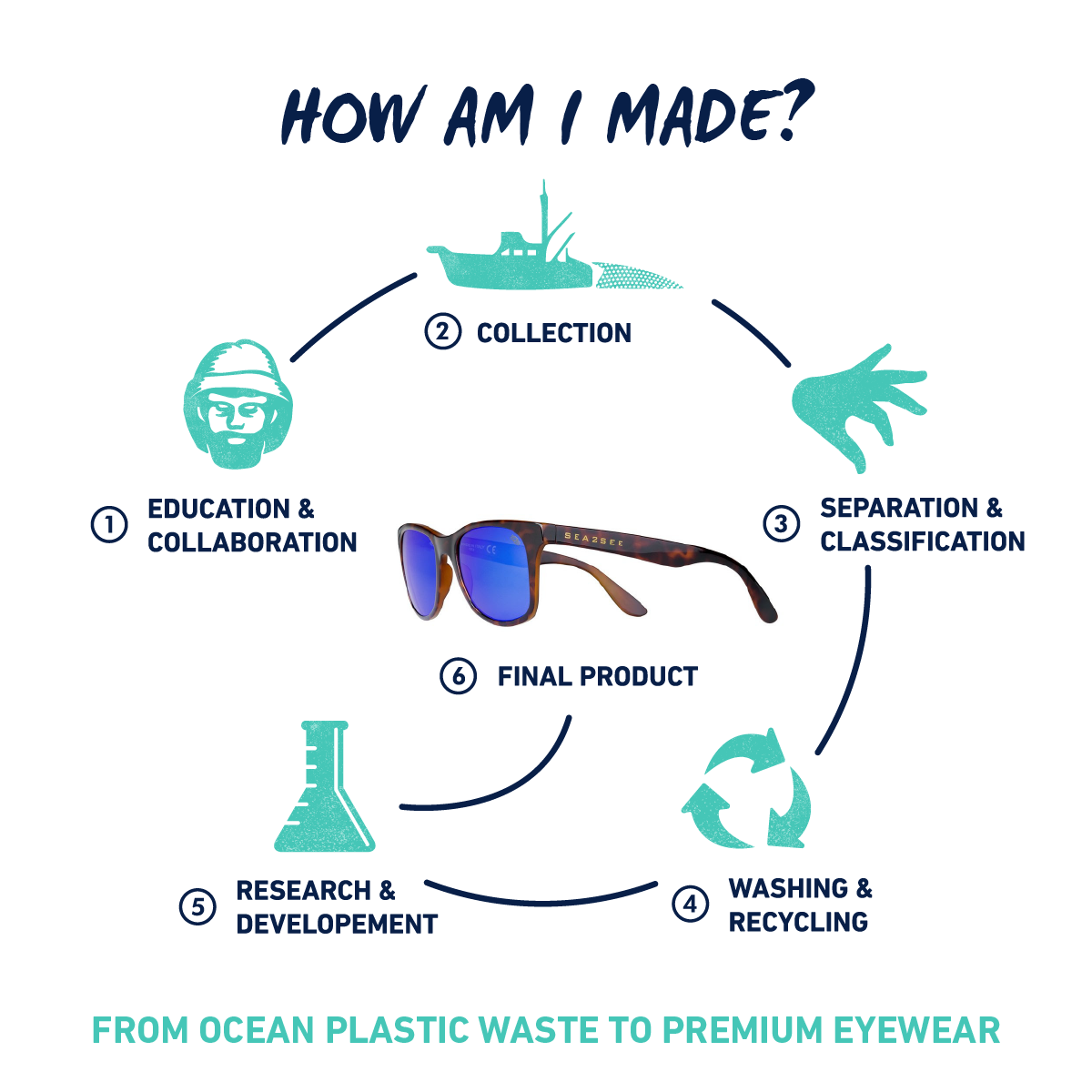
Many of the products we use daily have direct or indirect ties to marine ecosystems. Seafood is an obvious example, but the connection goes far beyond what we eat. Consider the following:
- Fashion & Textiles: Many fabrics, such as rayon and lyocell, are derived from ocean-based plants like seaweed. Additionally, sustainable brands are now incorporating recycled ocean plastic into shoes and clothing to combat marine pollution.
- Beauty & Skincare: Ingredients like seaweed, algae, and marine collagen are commonly found in skincare products due to their rich nutrients and hydrating properties.
- Pharmaceuticals: The ocean is a treasure trove of medicinal compounds. Many antibiotics, anti-inflammatory drugs, and cancer treatments have been developed from marine organisms.
- Technology & Industry: The extraction of rare minerals from the ocean floor contributes to the production of smartphones, batteries, and other electronic devices.
The Impact of Consumer Choices on Marine Life
With every purchase, we influence the health of the ocean. Unsustainable fishing practices, plastic pollution, and chemical runoff from manufacturing processes can devastate marine ecosystems. However, by choosing sustainably sourced seafood, reducing plastic waste, and supporting eco-friendly brands, we can help protect marine biodiversity.
How Businesses Are Embracing Ocean Conservation

Many companies are taking steps to reduce their environmental footprint by adopting ocean-friendly practices:
- Recycling Initiatives: Brands like Adidas have introduced shoes made from recycled ocean plastic.
- Sustainable Fishing: Certifications like the Marine Stewardship Council (MSC) help consumers identify seafood harvested responsibly.
- Eco-Friendly Packaging: Biodegradable and reusable packaging options are replacing traditional plastic to reduce ocean pollution.
Becoming an Advocate for the Ocean

Everyone has a role to play in protecting marine life. Here are a few simple steps to become a more conscious consumer:
- Choose sustainable products: Look for brands that prioritize eco-friendly materials and ethical sourcing.
- Reduce plastic use: Opt for reusable bags, bottles, and containers to limit single-use plastics.
- Support ocean conservation efforts: Donate to or volunteer with organizations dedicated to marine protection.
- Educate others: Share information about ocean conservation and encourage mindful consumption within your community.
Conclusion
Every product tells a story—one that often traces back to the ocean. By recognizing the impact of our choices, we can help preserve marine life and ensure that future generations continue to benefit from the wonders of the sea. The next time you purchase something, take a moment to consider its connection to the ocean and make a choice that supports sustainability. After all, protecting the ocean means protecting our planet and our future.