

Sustainability in Small Batches: Educating Through Marine Life Information
In an era where environmental awareness is more crucial than ever, sustainability efforts must be both widespread and deeply rooted in education. One of the most impactful ways to promote sustainability is through small-scale, localized efforts that focus on marine life education. By understanding the delicate balance of ocean ecosystems, individuals can make informed choices that contribute to long-term environmental health.
The Importance of Marine Life Education
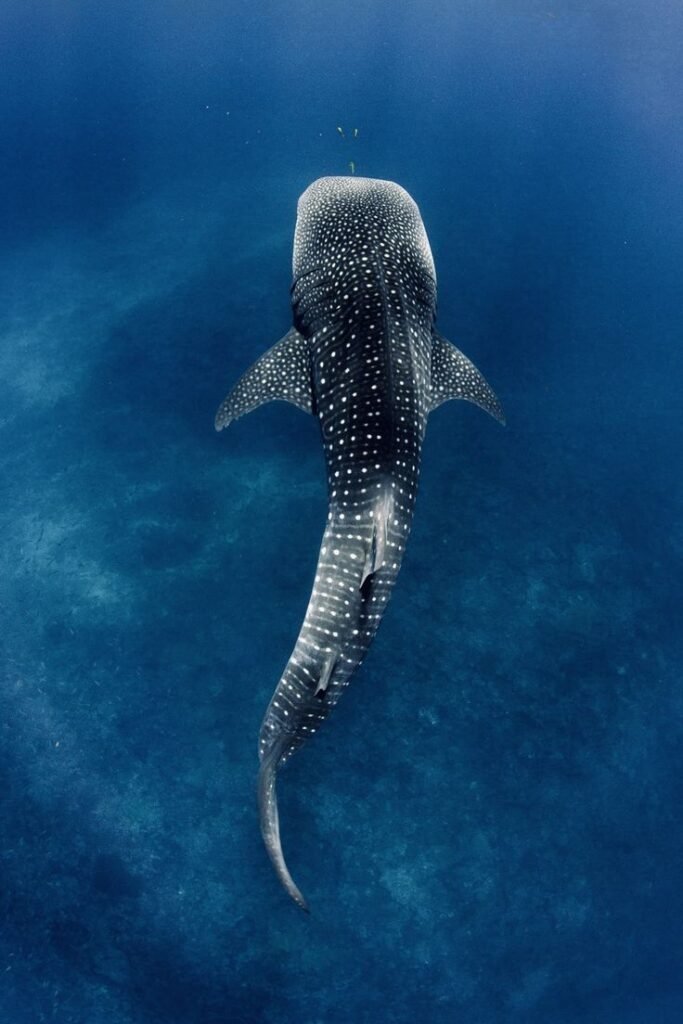
Marine life is an integral part of our planet’s ecosystem, contributing to climate regulation, biodiversity, and economic sustainability. However, pollution, overfishing, and climate change pose significant threats to oceanic habitats. Educating communities about these challenges is a necessary step toward fostering responsibility and promoting sustainable practices.
When people gain insight into marine ecosystems, they develop a greater appreciation for the ocean’s role in our daily lives. This knowledge drives behavioral changes such as reducing plastic waste, supporting sustainable seafood choices, and advocating for marine conservation policies.
Small Batches: A Practical Approach to Sustainability
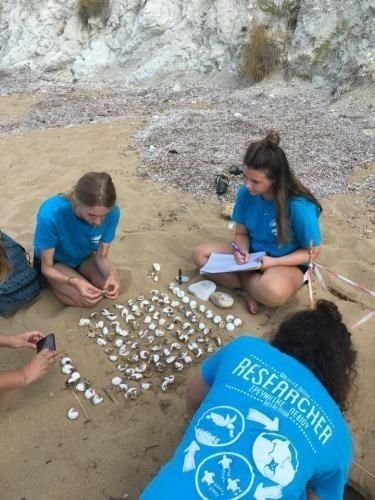
While large-scale conservation efforts are essential, small-batch initiatives provide an effective, grassroots approach to promoting sustainability. Small-scale educational programs, beach clean-ups, and community-driven projects allow individuals to engage with marine conservation in a hands-on way.
For instance, local organizations and schools can implement programs that educate students and community members about marine biodiversity, the impact of pollution, and ways to reduce their ecological footprint. These small-batch efforts create ripple effects that lead to broader environmental consciousness and responsible consumer habits.
Methods for Educating Through Marine Life Information
The Long-Term Impact of Marine Life Education
By focusing on sustainability through marine life education in small batches, we create lasting impacts on communities and the environment. Educating people about the delicate balance of ocean ecosystems fosters a sense of responsibility that extends beyond personal choices to influence policy changes and corporate practices.
Moreover, when communities prioritize sustainable living, they contribute to the global fight against climate change and environmental degradation. Whether through reducing waste, conserving energy, or supporting ocean-friendly initiatives, every small action plays a part in the bigger picture.
Conclusion
Sustainability in small batches is an effective approach to environmental education, especially when it comes to marine conservation. By spreading knowledge about marine life and the impact of human activities on ocean ecosystems, we empower individuals to make more sustainable choices. Through workshops, digital campaigns, hands-on experiences, and local partnerships, we can create a future where our oceans thrive, and future generations inherit a healthier planet.
The ocean’s future is in our hands—let’s educate, engage, and act toward a more sustainable world.