

Why Every Product You Choose Can Be a Step Toward Ocean Conservation
The oceans cover more than 70% of the Earth’s surface and are home to a vast array of life, from microscopic plankton to the largest creatures on the planet, such as blue whales. They regulate the climate, produce oxygen, and provide vital resources like food, energy, and medicine. Yet, these invaluable ecosystems are under grave threat from human activity. Pollution, overfishing, habitat destruction, and climate change are pushing the oceans and their inhabitants to the brink. However, there is hope, and it lies in the choices we make as consumers.
Every product we buy has an environmental impact, and many of these impacts directly or indirectly affect the health of the oceans. The good news is that by being mindful of the products we choose, we can play a pivotal role in protecting marine ecosystems. Whether it’s through reducing plastic consumption, supporting sustainable businesses, or opting for products made from eco-friendly materials, every decision matters in the fight for ocean conservation. Here’s why every product you choose can be a step toward saving our oceans.
1. Reducing Plastic Pollution

Plastic pollution is one of the most significant threats to the health of the oceans. It is estimated that over 8 million tons of plastic enter the ocean each year, and this number continues to grow. Plastic waste poses a major risk to marine life, as animals can become entangled in it or mistake it for food, which can lead to injury, malnutrition, or death. Moreover, plastics break down into smaller particles called microplastics, which are ingested by marine organisms, entering the food chain and eventually impacting human health.
By choosing products that minimize plastic waste, you can directly reduce the amount of plastic that ends up in the ocean. Opting for reusable items such as water bottles, shopping bags, and food containers instead of single-use plastics significantly decreases plastic consumption. Many businesses are now offering alternatives made from biodegradable or sustainable materials, such as bamboo, glass, or metal, which are much less harmful to the environment. When you choose these products, you’re sending a clear message that you care about the ocean and its future.
2. Supporting Sustainable Seafood

Overfishing is another major concern for marine conservation. It not only depletes fish populations but also damages marine habitats and disrupts ecosystems. Unsustainable fishing practices, such as bottom trawling, destroy coral reefs and the seafloor, harming vital habitats for a wide variety of marine species. If current trends continue, many fish species could face extinction, and the marine ecosystem could suffer irreparable damage.
By choosing seafood that has been sustainably sourced, you are helping reduce the pressure on overfished species and supporting responsible fishing practices. Certifications such as the Marine Stewardship Council (MSC) ensure that the seafood you buy comes from fisheries that follow sustainable methods, such as avoiding overfishing and protecting ecosystems. Additionally, plant-based seafood alternatives—such as seaweed-based products or plant-derived fish substitutes—offer a sustainable and cruelty-free option that doesn’t rely on depleting marine resources.
3. Reducing Carbon Footprint and Combatting Climate Change
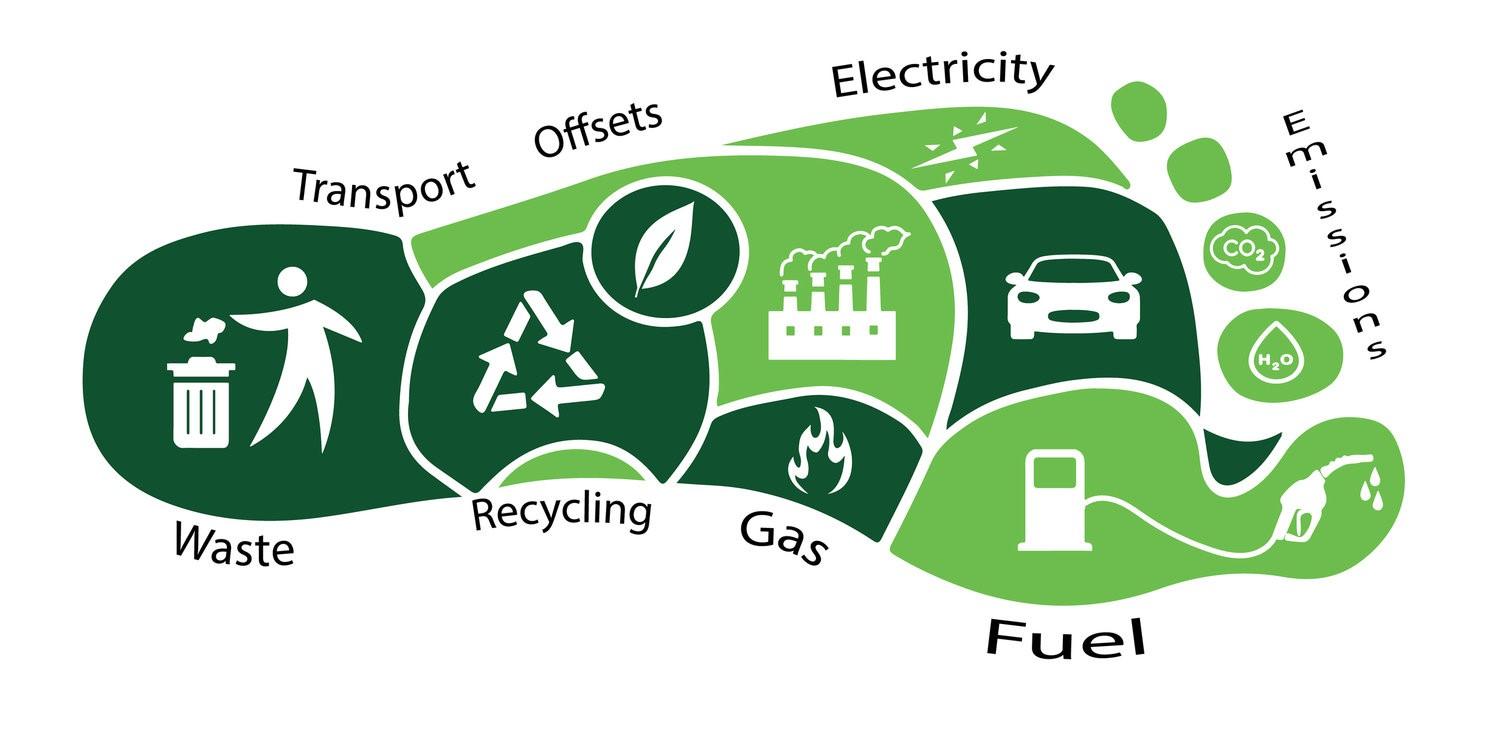
The oceans are not only impacted by direct human activity but also by the effects of climate change, which is largely driven by carbon emissions. Rising ocean temperatures, ocean acidification, and coral bleaching are just a few of the devastating consequences of a warming planet. These changes threaten the survival of marine species and disrupt ocean ecosystems.
When you choose products with a lower carbon footprint, you contribute to the global effort to mitigate climate change. This includes opting for energy-efficient products, supporting renewable energy, or purchasing from companies that have made sustainability a priority. Additionally, many brands are now offering carbon-offset products, where a portion of the profits is used to offset the carbon emissions generated during production, transportation, and packaging.
Every time you buy products from companies that prioritize reducing their environmental impact, you are supporting the fight against climate change and its devastating effects on the oceans.
4. Supporting Eco-Friendly Businesses

The growing demand for sustainable products has led many businesses to shift their practices to become more eco-conscious. From reducing waste to adopting ethical sourcing methods, companies are recognizing the power of consumer choice in shaping a more sustainable future.
When you purchase from companies that prioritize sustainability, you are not just buying a product—you are also supporting the ocean conservation movement. Many businesses now donate a portion of their profits to ocean protection initiatives or invest in projects that aim to restore marine habitats, clean up plastic waste, or protect endangered marine species. By aligning with these companies, you contribute to the broader efforts to protect the oceans while ensuring that more businesses adopt responsible practices.
5. Reducing Chemical Runoff and Pollution
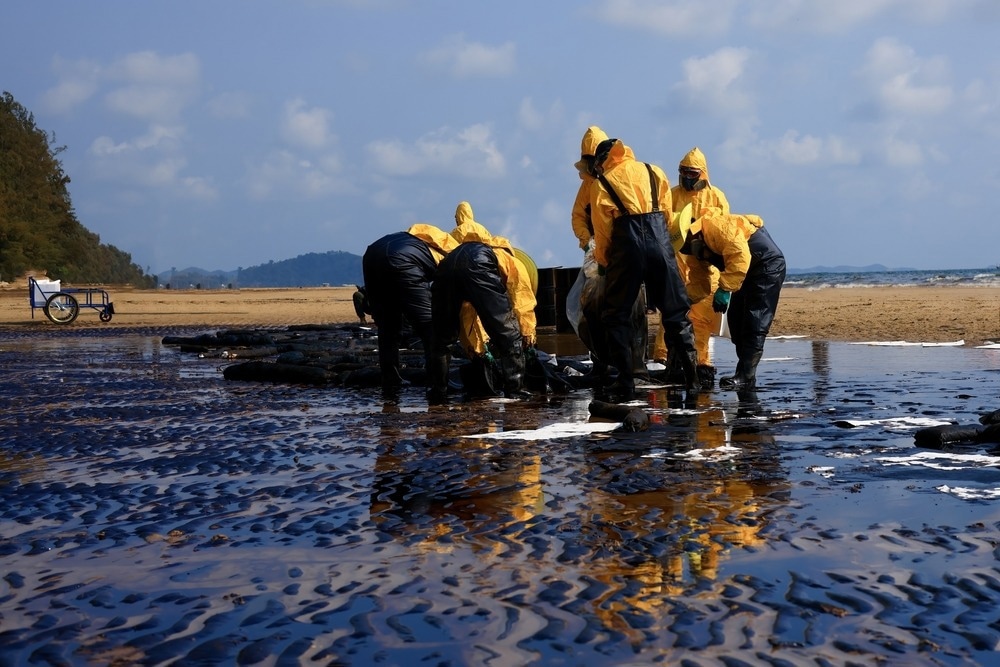
Choosing products that are free from harmful chemicals or made from natural, biodegradable ingredients can help prevent these substances from entering the ocean. Eco-friendly cleaning products, organic skincare items, and natural pest control options reduce the number of pollutants released into the water system. By being mindful of what goes into our waterways, we can take action to protect the health of the oceans.
6. Educating Others and Raising Awareness

As consumers, we have the power to drive change not only through our purchasing decisions but also through the way we talk about these issues. Every product we buy can be a conversation starter, especially when we choose to support businesses that have an ocean conservation focus. Many companies incorporate educational campaigns into their marketing, encouraging consumers to become advocates for the environment.
By sharing your knowledge about ocean conservation and supporting products that contribute to marine protection, you can inspire others to make informed, environmentally conscious choices. Awareness is the first step in creating a larger movement toward a healthier, more sustainable relationship with the oceans.
Conclusion: Every Product is a Step Toward Conservation
The choices we make as consumers matter more than we realize. Every product we buy has an impact on the environment, and by being mindful of our consumption, we can take significant steps toward protecting our oceans. From reducing plastic waste to supporting sustainable seafood and eco-friendly businesses, every decision counts in the fight for ocean conservation.
By choosing products that align with our values, we send a powerful message to businesses, governments, and communities that the health of our oceans matters. Every time we choose a product that supports sustainability, we are contributing to the preservation of marine ecosystems and ensuring that future generations will inherit an ocean that is vibrant, diverse, and teeming with life.